If we had a dollar for every time someone said “hiphop is just music,” we’d be rich enough to throw our own hiphop festival. Hiphop style is so much more than beats and rhymes: it’s a full-blown cultural movement that touches fashion, dance, art, and even social justice. In this piece, we’ll take a deep jump into what makes hiphop style a vibrant phenomenon. Buckle up as we navigate through the roots, key elements, and the evolution of this iconic culture. Get ready to explore a world where streetwear meets self-expression.
The Roots of Hiphop Style
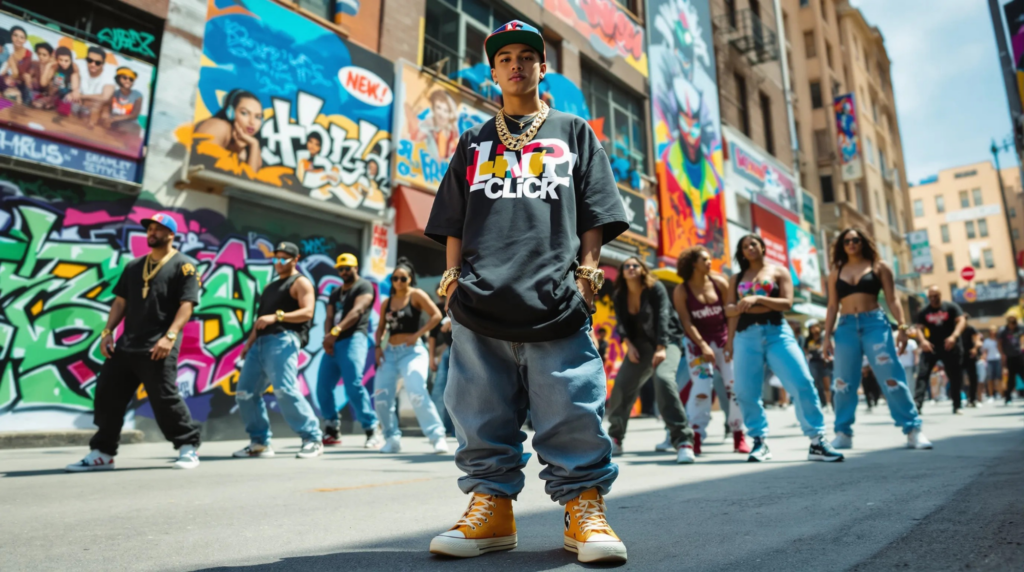
Hiphop style has origins deeply entrenched in the 1970s New York City cultural explosion. From the graffiti art embellishing subway cars to the groundbreaking beats spilling out of block parties, we see the fusion of African, Caribbean, and Latino influences serving as the backbone. It was a way for marginalized communities to express themselves creatively, and it morphed into something that transcended neighborhood boundaries. Think of it as the melting pot of vibrant colors, sounds, and styles.
The early hiphop scene was fueled by innovators like Kool Herc and Afrika Bambaataa, who forged the art of DJing and breakdancing. These pioneers not only altered the music landscape but also introduced fashion as a significant aspect of hiphop identity. Just as graffiti artists left their signature styles on urban landscapes, we also began to notice unique clothing choices that defined the hiphop persona.
This was the birthplace of an aesthetic that eschewed sartorial norms, oversized pants, bold patterns, and distinct sneakers that spoke volumes about personal attitude and community pride. Hiphop was not just about the beats: it was a lifestyle that started to influence everything we wore.
Key Elements of Hiphop Fashion
So, what do we find in the treasure chest of hiphop style? Let’s kick off with the infamous oversized tees and baggy jeans, often paired with a fresh pair of kicks, think Air Jordans or Adidas Superstars. Every element has a reason, and comfort reigns supreme. After all, how can we breakdance if we can’t move?
Next up, we have accessories. From snapbacks to chunky gold chains, accessories in hiphop serve not just as decoration but as status symbols. They tell stories, whether it’s a tribute to an artist or a nod to one’s roots, every piece holds significance. And let’s not forget about the vibrant colors and bold patterns. These elements represent individuality and confidence, echoing the hiphop ethos, we are here, and we are proud.
Footwear, a pivotal aspect of hiphop style, deserves its own spotlight. Styles range from high-tops to sleek street sneakers, each pair signifies our ethos and personal style. Wearing the right kicks can elevate our whole outfit and our mood.
Influential Hiphop Icons and Their Impact
When discussing hiphop style, we can’t overlook the massive influence of icons like Run-D.M.C., Tupac, and Notorious B.I.G. These artists weren’t just artists: they were style gurus, shaping trends and making black culture mainstream.
Run-D.M.C. was a pioneer in marrying hiphop with high fashion, famously teaming up with Adidas to redefine streetwear. They showed us that we could combine utility with flair. Meanwhile, Tupac embodied a raw authenticity that resonated through his fashion choices. His bandanas and oversized jackets spoke volumes about resilience and individuality.
Let’s not forget about Missy Elliott, who brought a unique blend of femininity and fierce attitude to the scene. Her eccentric outfits challenged norms and paved the way for women in hiphop fashion. Each of these icons dropped bombs that have left an indelible mark on how we view hiphop style today.
Hiphop Style in Music and Dance
We can’t separate hiphop style from its musical roots, as they are intertwined in the fabric of the culture. The lyrical content of hiphop often highlights personal experiences and societal issues, and fashion is interwoven into these narratives. The way we dress while performing or dancing speaks to our identity.
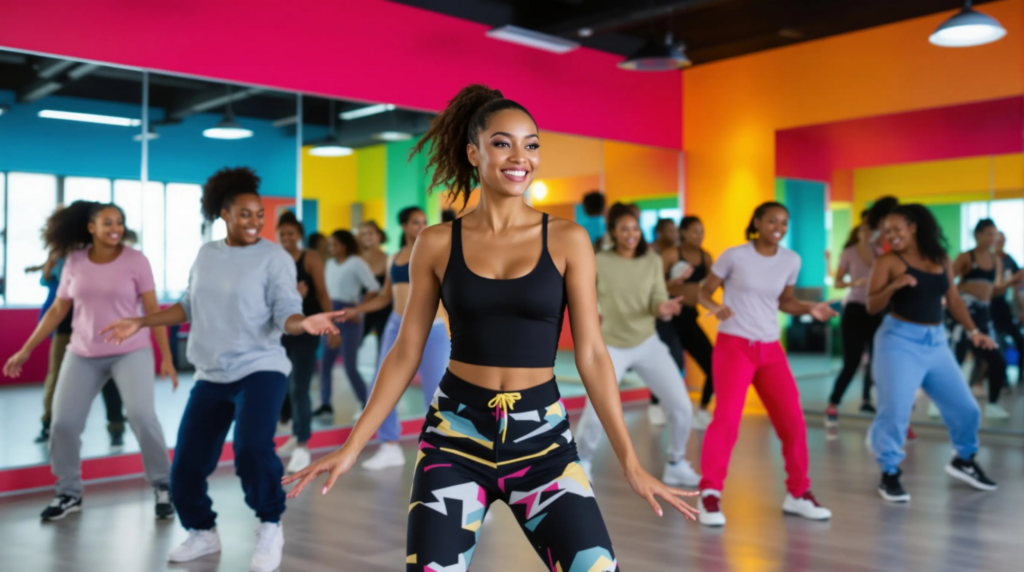
Dance itself is a form of expression that lets us show our unique personalities through movement. Styles like breakdancing, popping, and locking within hiphop reflect not just the beats but also the clothing choices of the dancers. The swing of baggy pants and the snap of oversized jackets become dancing extensions of our artistic selves.
The music videos further stamp this connection in our minds, watching a DJ spin decks or a rapper drop lines while dressed to impress solidifies the significance of fashion in hiphop culture.
The Evolution of Hiphop Style
No one can deny that hiphop style has evolved over the decades. From the gold chains and baggy jeans of the late 90s to the sleek athleisure choices of today, we see how external factors play into these changes. Skate culture, street art, and global influences constantly redefine what hiphop fashion means.
The 2000s birthed a new generation of stars like Kanye West and Pharrell, who challenged conventional aesthetics by blending high fashion with streetwear. Their unique approaches redefined what it means to be fashionable in hiphop, leading us to a place where luxury brands began to take notice. Who could forget the iconic red backpack from Pharrell in 2005?
Then came the rise of social media platforms, where everything from Instagram to TikTok influenced our style choices. Trends rise and fall faster than ever, reflecting the dynamic nature of how we express ourselves through clothing.
Hiphop Style Today: Trends and Innovations
Today, we find ourselves at an exciting crossroads of past and future in hiphop style. Chunky sneakers, neon colors, and throwback clothing are making comebacks, influenced heavily by nostalgia. Yet we also embrace bold, innovative designs that challenge sartorial conventions. Brands like Off-White and Fear of God are merging luxury with street sensibilities, creating unique collections showcasing our collective tastes.
There’s also a significant push towards sustainability: many hiphop artists are advocating for eco-friendly fashion choices. As we strive to be trendsetters in our style, we’re also becoming conscious consumers, seeking brands that align with our values.
Besides, we see increased representation of diverse voices in hiphop style. From plus-size models to non-traditional aesthetics, our fashion statements reflect the plurality of identities within the culture. It’s an exciting time when we see ourselves represented on platforms we once thought were out of reach.